Town and city water isn't off the hook for heavy metals
Municipal treatment cleans water at the plant, but lead and copper can enter from the pipes between the plant and your tap. Here's what Saskatchewan residents should know.
There's a common assumption on the prairies that if your water comes from a town or city system, the heavy metals conversation doesn't apply to you. The treatment plant handled it. The water is tested. You're fine.
The reality is more complicated. Municipal plants do an excellent job treating the water that leaves the facility. The problem is everything that happens between the plant and your kitchen tap.
The pipes are part of the plumbing
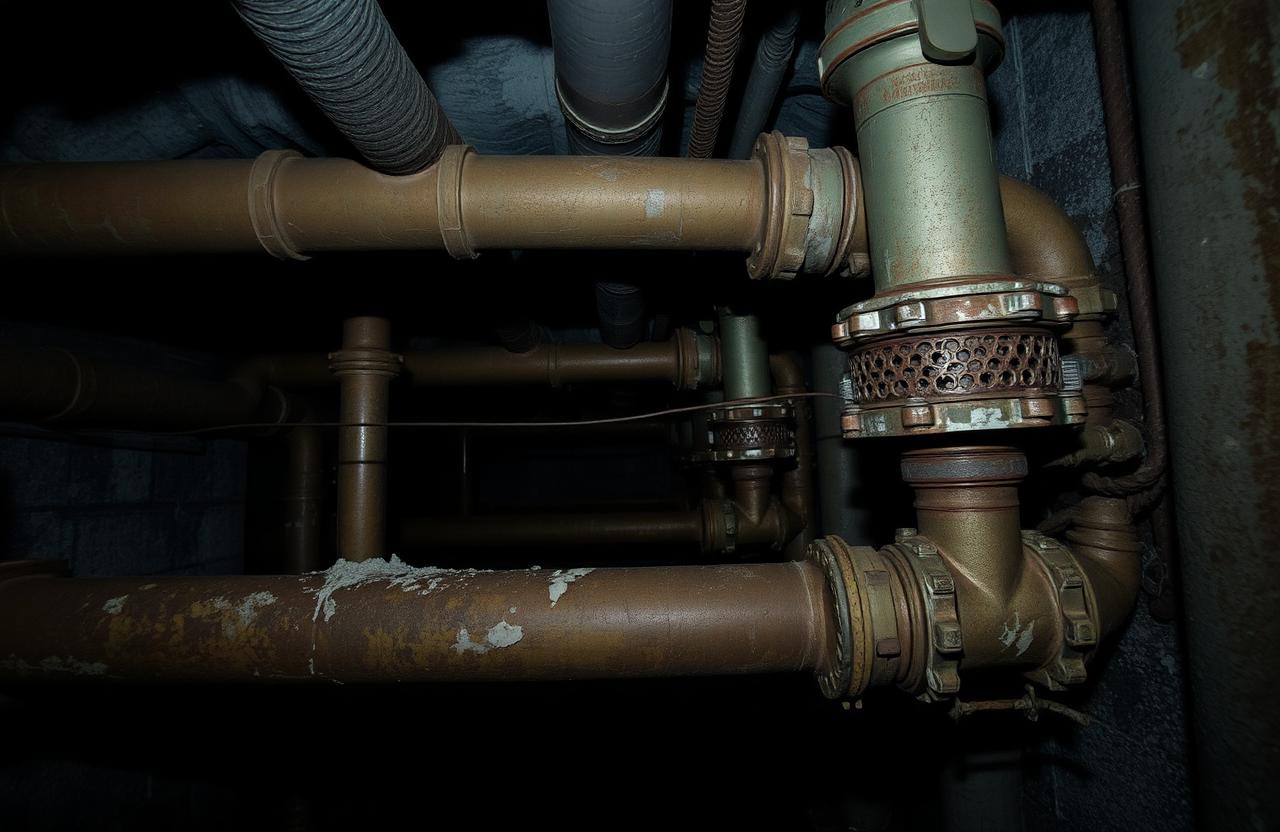
Saskatchewan towns and cities have water mains that range from brand new to many decades old. As those distribution networks age, corrosion, scale, and sediment build up inside the pipes, and what flows through them can pick up trace metals along the way.
Lead is the other big one. Many older homes still have lead service lines, lead solder on copper joints, or brass fittings that contain small amounts of lead. The treatment plant can't fix what leaches in after the water leaves the plant.
Copper is similar. Soft, slightly acidic municipal water can pull copper out of household plumbing, especially in newer homes where the copper hasn't fully oxidized yet.
Why municipal testing doesn't catch this
Cities test the water leaving the plant and at sample points across the distribution system. They are not testing the water at your specific tap, in your specific house, with your specific plumbing.
If you have a lead service line, an older brass fixture, or live on a street with deteriorating mains, your tap water can look very different from the city's published test results. The only way to know is to test the water you actually drink.
What we look for on city water
When we test municipal water through our accredited ICP-MS panel, we focus on what city testing doesn't capture at the household level: lead, copper, arsenic, manganese, uranium, and trace metals that can accumulate over time.
We also look at chlorine and chloramine residuals, since those affect taste, smell, and how aggressive the water is toward your plumbing.
What you can do
If you live in Regina, Saskatoon, Yorkton, Melfort, or any older Saskatchewan town, three steps go a long way:
1. Test your water at the tap, not at the curb. A real lab panel tells you what's actually coming out of your faucet.
2. Run cold water for 30 to 60 seconds first thing in the morning before drinking or cooking. Water that has sat in pipes overnight has had the most time to pick up metals.
3. Consider a point-of-use reverse osmosis system at the kitchen sink. RO removes lead, copper, arsenic, and the vast majority of trace metals, regardless of what your plumbing is doing upstream.
City water is generally safer than untested rural water. But safer is not the same as safe from heavy metals. The pipes matter as much as the source, and the only way to know what's in your glass is to test the glass.